


Open Monuments
The Municipality of Zutphen has declared a few monuments open to the public, and allowing a visit. In close co-operation with Gilde Zutphen, a tour guide will welcome you, take you on a guided tour and provide information about the history of the building.
Burgerzaal
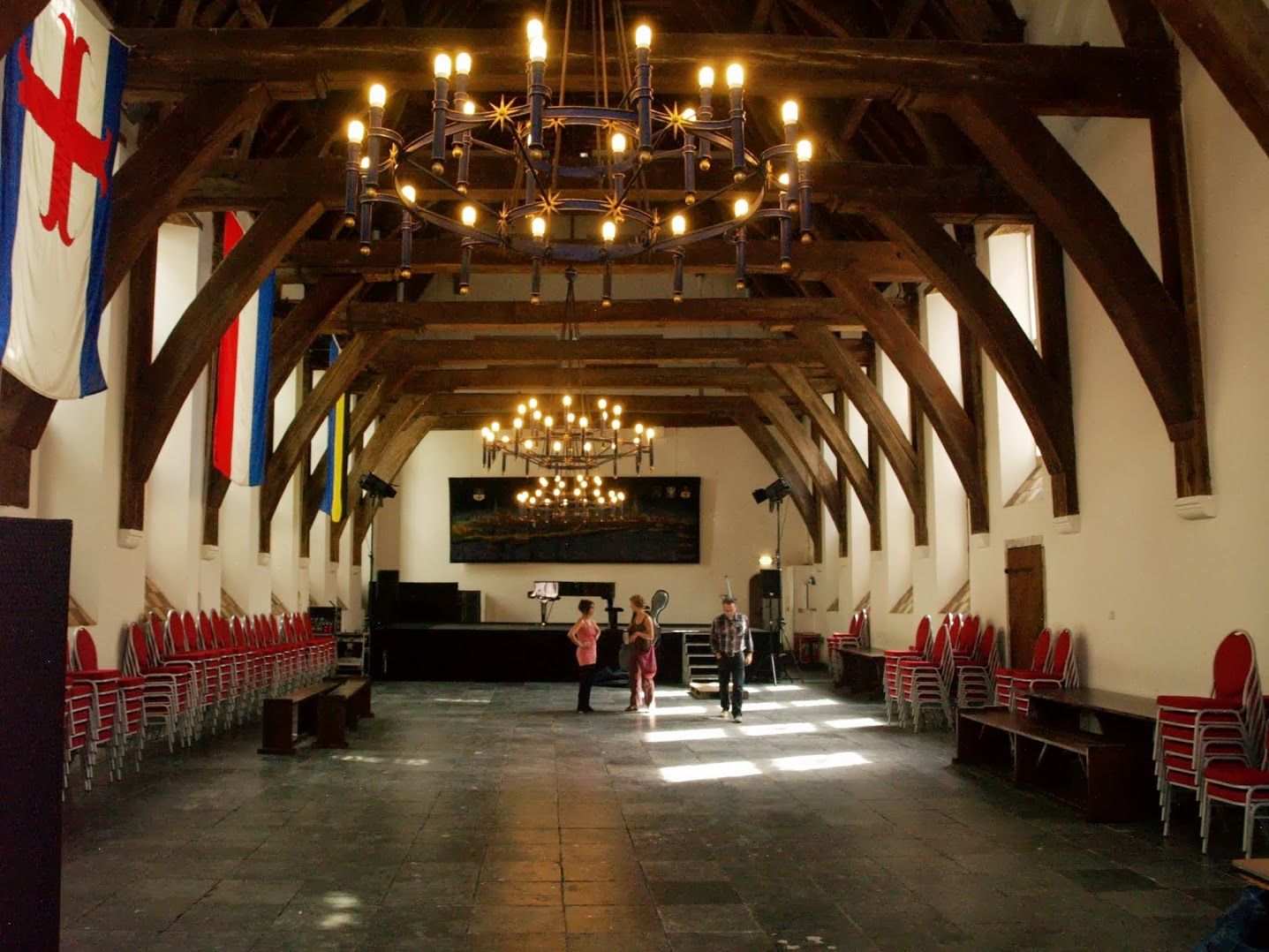
In 2026, this beautiful historic building will be open to the public from January to March on Saturdays and Sundays from 1 p.m. to 5 p.m., and then from 1 p.m. to 5 p.m. on Fridays through Sundays. It will also be open from 1 p.m. to 5 p.m. on the following days: April 28 and 29; May 14; July 21, 22, 28 and 29; August 4, 5, 11 and 12; October 13, 14, 20 and 21; and December 22, 23, 29 and 30.
Entrance is free.
A guide will welcome you and inform you about the rich history of this building and its special features.
Wijnhuistoren
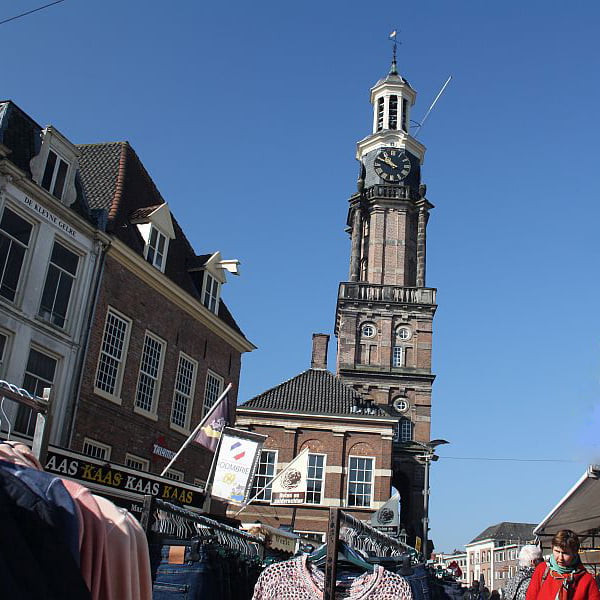
In 2026, this monument, free to visit, will be open to the public from January to March on Saturdays and Sundays from 1 p.m. to 5 p.m., and then from 1 p.m. to 5 p.m. on Fridays through Sundays. It will also be open from 1 p.m. to 5 p.m. on the following days: April 28 and 29; May 14; July 21, 22, 28 and 29; August 4, 5, 11 and 12; October 13, 14, 20 and 21; and December 22, 23, 29 and 30.
Our enthusiastic Gilde tower guides will be on hand at 1, 2, 3, and 4 PM to give a fascinating tour of the tower! (Children must be accompanied by an adult!).
During this guided tower tour you will not only hear a lot of information about Zutphen’s fascinating history and the Winehouse Tower’s role in the past, but also much attention will be paid to its unique carillon and how the bells were, and still are being made.
And on top of all this of course comes the reward: a splendid view from the top of the tower at the end of the tour!
Bourgonjetoren
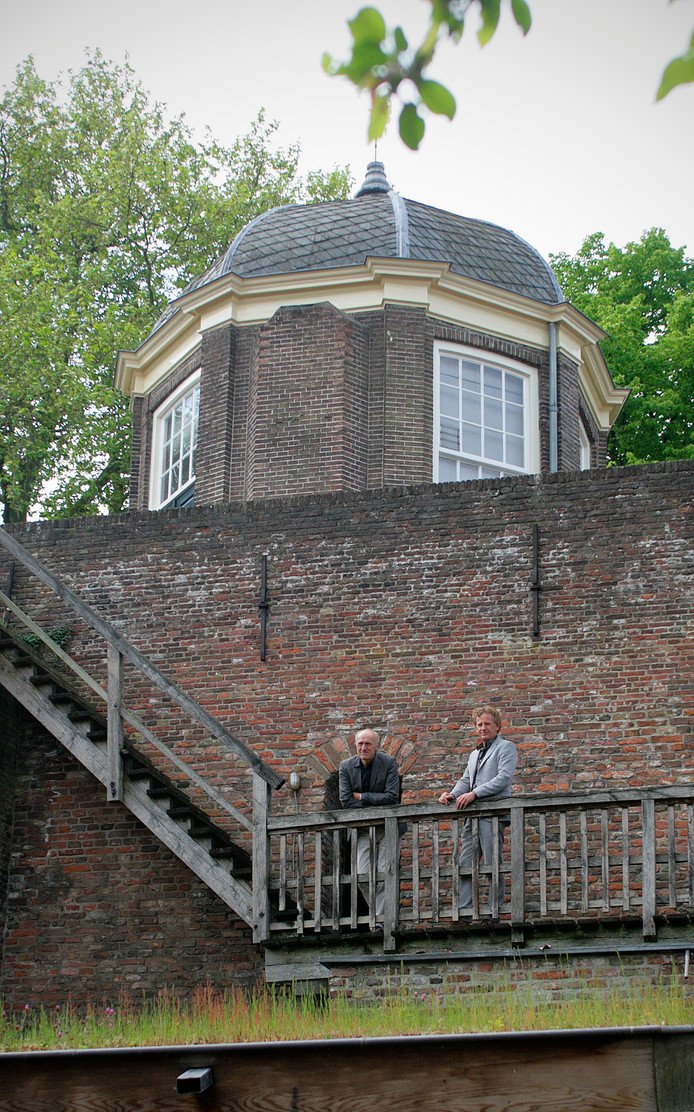
The Hanseatic Tower
When the tower became vacant a few years ago, the municipality decided to use it to tell the Hanseatic story. Together with Zutphen Museums, the Walburgis Church, Zutphen Promotion, and Gelderland Heritage, they developed a comprehensive program suitable for both school groups and families with children. It’s a multimedia educational space that playfully tells the story of Zutphen as a Hanseatic city. Up to five digital games can be played. There’s also an interactive screen to explore the medieval city, films about the Hanseatic period and the city of Zutphen are shown, and the beautiful model “Zutphen in 1485” by Constant Willems is on display.
In 2026, this monument is open to the public from January to March on Saturdays and Sundays from 1 p.m. to 5 p.m., and then from 1 p.m. to 5 p.m. on Fridays through Sundays. It will also be open from 1 p.m. to 5 p.m. on the following days: April 28 and 29; May 14; July 21, 22, 28 and 29; August 4, 5, 11 and 12; October 13, 14, 20 and 21; and December 22, 23, 29 and 30.
St. Janskerk
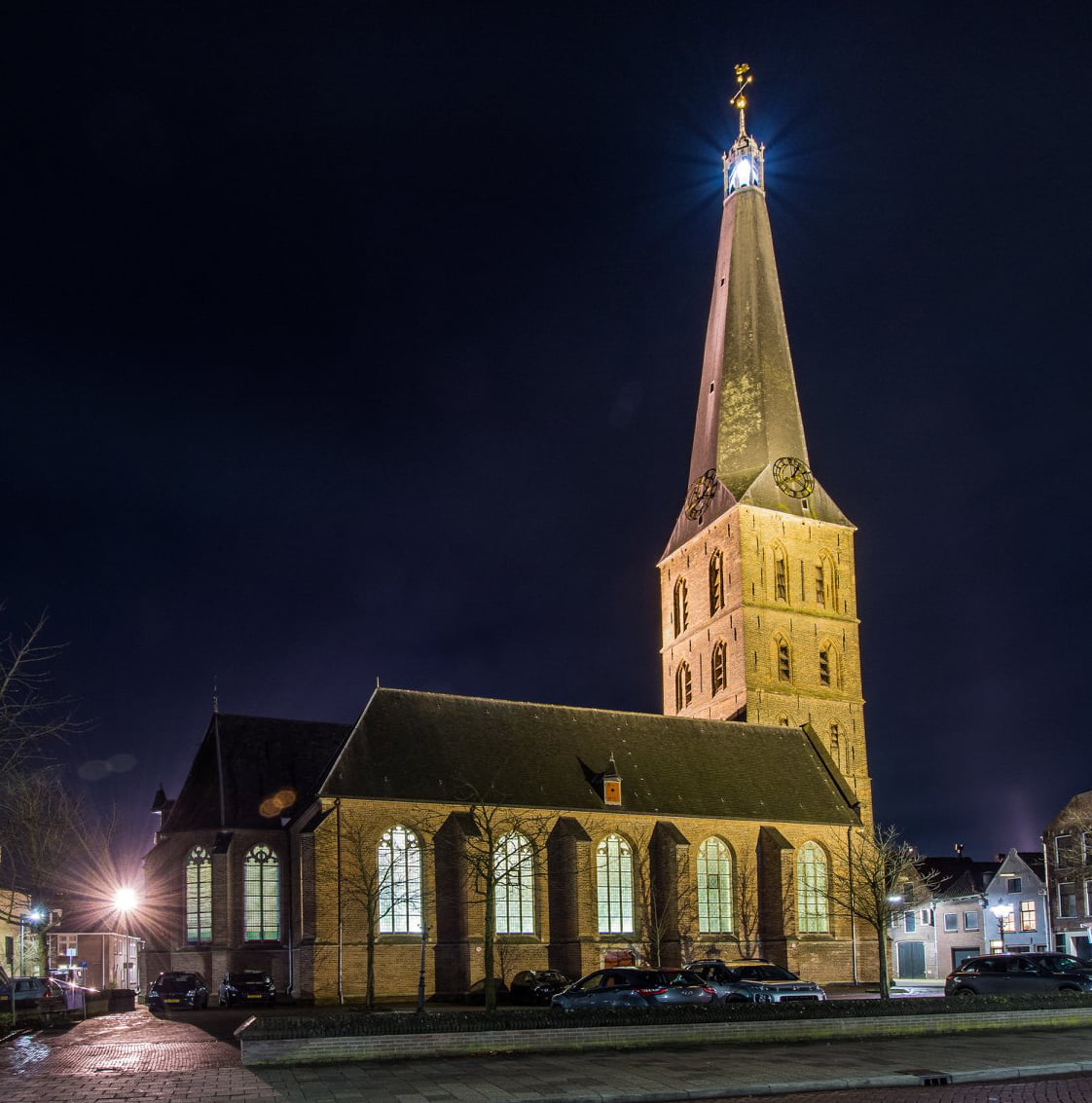
The Sint Jan started as a small church with a freestanding tower. The church as we see it today is the result of several extensions in the 15th and 16th centuries. It is a three-aisled church. Since 1816 this church has been in the hands of the Catholic parish again. The church has been beautifully restored since 1980.
The church and tower are open from April to December on Saturdays from 1:00 PM to 5:00 PM. Guides accompany visitors as they make the climb, sharing fascinating stories along the way.
Berkel ruin
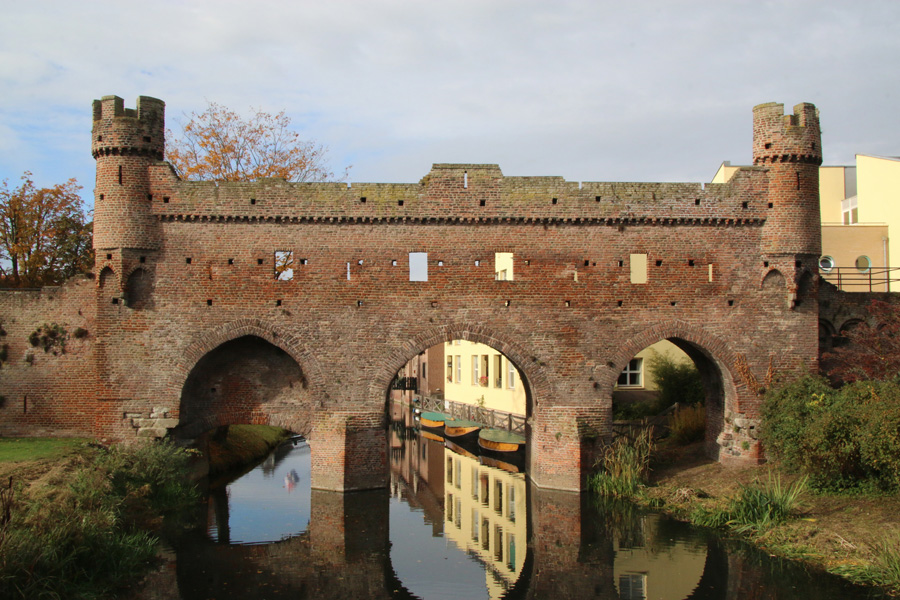
You will receive a presentation in words and images. A timeline shows the developments from the start of construction in 1325 to the present. In the fourteenth century, for example, the wooden sliding doors were replaced by wrought-iron portcullises, and in the fifteenth century, a gatekeeper’s house was added. Over time, the gate has also been restored several times. The most recent restoration (between 2010 and 2012) aimed to return the ruin to its 1888-1890 state.
The Berkel ruin is open on the last Sunday of the month, 1:00 PM to 5:00 PM from April to September.